
In 2026, a logo can cost anywhere from $0–$50 for a DIY template to $15,000 or more for a full brand identity package. For a small business hiring a professional, a custom logo often falls around $300–$1,500 with a freelancer or $2,500–$7,500 with a small agency.
Logo design cost: Typical 2026 ranges
These are broad U.S. planning ranges, not set prices. What’s included can differ substantially from one designer or package to another.
At the low end, a DIY or template tool runs about $0–$50. That gets you a workable mark for a very lean launch or a temporary stand-in, and little more. A freelance designer typically lands around $300–$1,500, which buys a basic custom logo for a focused project. A small design agency comes in near $2,500–$7,500 once research, guidance, and project support are part of the work. A full brand identity package runs $5,000–$15,000 or more, because you’re not buying a logo anymore, you’re buying the whole system around it. If someone bills hourly instead, expect roughly $50–$200 per hour.
The right budget depends on what you need, not just the logo file. Before comparing quotes, check whether the price includes custom design, revision rounds, final files, and written usage rights.
Why does the price vary so much?
A logo may look like a small graphic, but the process behind it can range from choosing a template to researching your audience, developing original concepts, and preparing a complete set of files for different uses. Here are the main factors that affect the logo design cost for a small business.
The number of concepts and revisions
A quick project might include one design direction and a limited number of edits. A more involved project may explore several different concepts, then refine the one you choose.
Ask how many initial concepts and revision rounds are included. Also clarify what counts as a revision. Small adjustments to a selected direction are different from asking a designer to start over with a new one.
Research and planning
A designer may look at your industry, customers, competitors, and existing materials before sketching. That groundwork helps your logo suit your business rather than simply follow a passing trend.
This is especially useful if your business has a specific local audience, a crowded market, or plans to grow into new services.
Deliverables and file preparation
A logo designed only for a social media profile picture may not work well on a storefront sign, printed materials, or a website. Preparing versions that work in different sizes, colors, and formats takes additional effort.
Make sure you know whether the quote includes a primary logo, alternate layouts, and files for both print and digital use.
Usage rights
Before you pay, find out what rights you receive and whether the agreement transfers ownership of the final approved design. The contract should explain what you can use, whether the designer can reuse the work, and when rights take effect.
Who you hire
A template tool, freelancer, and agency offer different levels of custom work and guidance. An agency quote may include discovery, project management, and broader brand support; a freelancer’s quote may cover only the design and final files. Neither option is automatically right or wrong. Compare the scope before comparing the price.
When is a $300 logo fine, and when might it cost more later?
A $300 logo may be a sensible choice if you’re testing an idea, running a small side business, or need a basic mark for a simple launch. It can also work if you understand that you may need more design support as the business grows. Ask whether it’s custom work or template-based, what files you’ll receive, and what you’re allowed to do with the result.
It may cost more later if the logo only comes as a small image, doesn’t reproduce clearly on signs or print, or relies on design choices that don’t fit your business as it develops. Replacing it can mean updating your website, social profiles, printed materials, and other places customers see your brand.
The lowest price isn’t always the most expensive choice, but price alone won’t tell you whether the logo is ready for how you plan to use it.
What should you get for your money?
Before approving a design or quote, check that the handoff includes:
Vector files, such as SVG, EPS, or AI, so the logo can be resized without losing clarity
High-quality PNG and print-ready PDF files
Useful logo variations, such as horizontal, stacked, and icon-only versions, if they’re part of your project
Color versions, including full color, black, and white or reversed versions where needed
Color codes for digital and print use, such as HEX, RGB, and CMYK
Font names and licensing details for any fonts used
Written usage and ownership terms explaining how you can use the final logo
Some packages won’t include every item. That’s fine if the limits are clear before the project starts. If a quote only offers a PNG, ask whether vector files are available and whether they cost extra.
A logo isn’t the whole brand identity
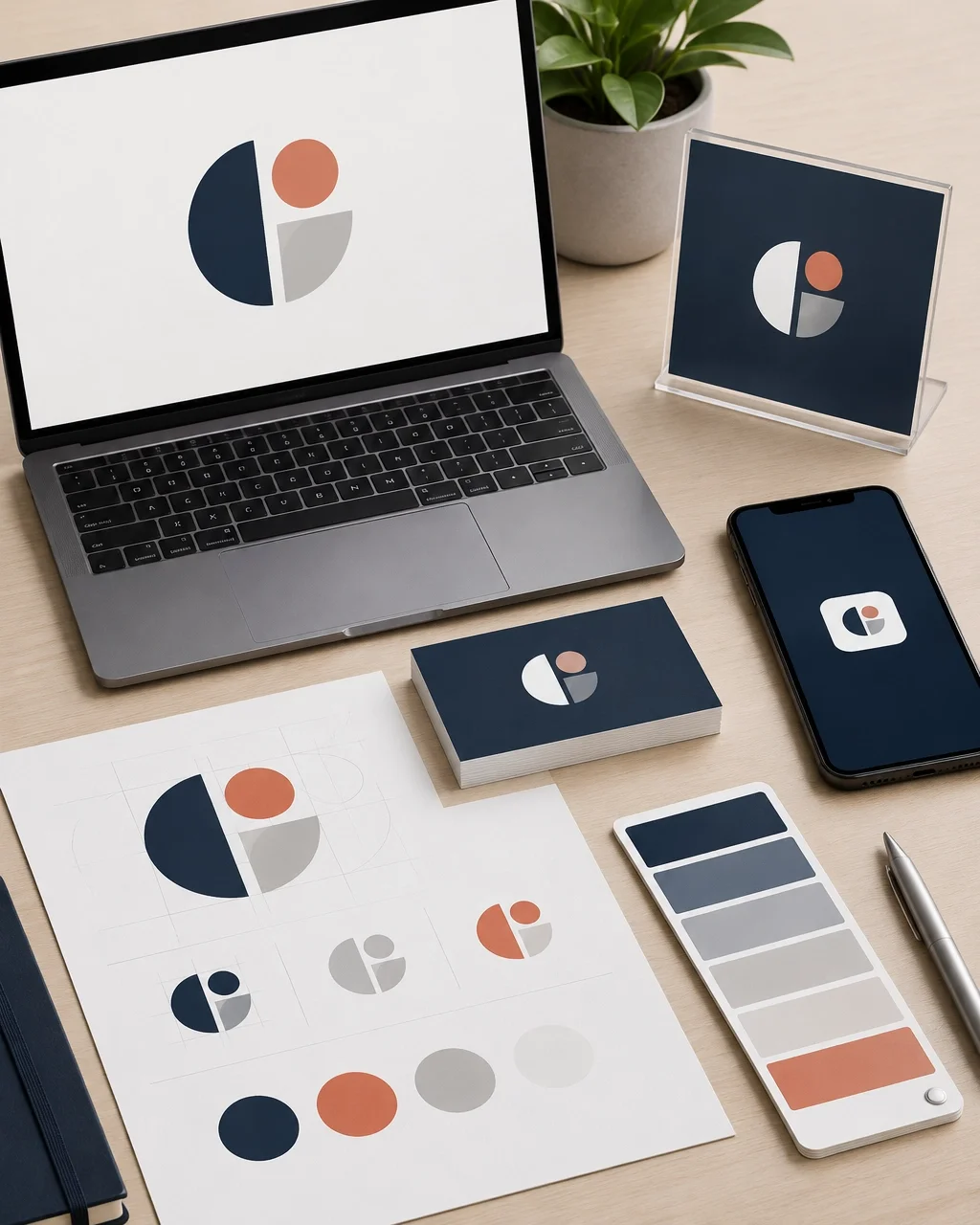
A logo is one part of your brand. On its own, it doesn’t automatically give you a color palette, font system, business messaging, or consistent visual style for your website and marketing.
That gap is where small business budgets can go wrong. A logo might look good by itself, but if you’re left guessing which colors, fonts, or images to use everywhere else, your business can still appear inconsistent. A wider brand identity design process can address those pieces together, so your materials feel like they belong to the same business.
A full identity project may also include guidance for using the brand across social media or printed materials. A website or social media kit, however, is not automatically part of a logo or identity quote. Confirm those items separately.
Choosing a local Northern Virginia partner
For a Northern Virginia business, working with a local partner can make it easier to talk through your audience, goals, and ideas face to face. At McNeal and Company Creative Solutions, our work is handled in-house, not outsourced overseas, and we support small businesses with logo design and brand identity.
Frequently asked questions
How much does a logo cost for a small business?
A DIY option may cost $0–$50. A freelancer may charge around $300–$1,500 for a professional logo, while a small agency project may be $2,500–$7,500. A full brand identity package can cost $5,000–$15,000 or more, depending on what it includes.
Is a $300 logo good enough?
It can be, if you need a basic logo for a short-term or simple launch and the deliverables suit your needs. Check that you understand whether the design is custom, which files are included, and what usage rights you receive.
What files should I receive with my logo?
Ask for vector files such as SVG, EPS, or AI, plus high-quality PNG and print-ready PDF files. You should also receive the logo variations and color versions included in your agreement, along with color codes and written usage terms.
Does the cost of a logo include a website or social media kit?
Usually, don’t assume it does. A logo quote may cover only the logo and its files. Website design, social media graphics, messaging, and a broader brand identity system should be listed separately if they’re part of the project.
How do I compare two logo design quotes?
Compare the scope, not just the total. Look at the number of concepts and revisions, research included, final file formats, usage rights, and any additional brand materials. Ask questions if the quote doesn’t spell those out.
Want a second opinion before you budget?
A logo should fit both your business and the way you plan to use it. If you’re weighing options, McNeal and Company Creative Solutions offers a free consultation to talk through your needs and budget. You can get in touch here for a logo or brand review.
